


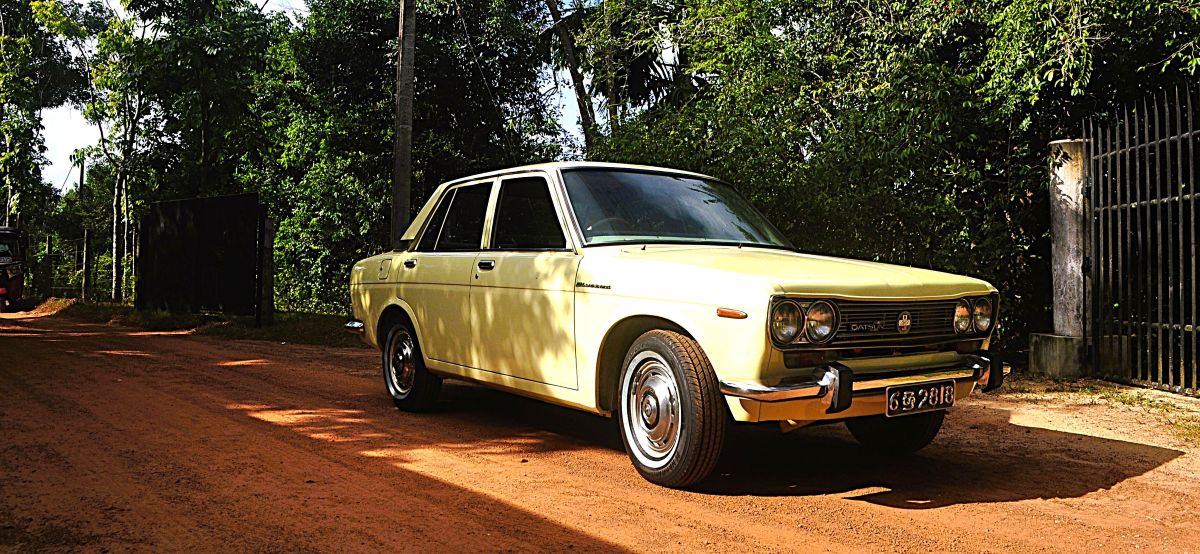
The Datsun 510 was a series of the Datsun Bluebird sold from 1968 to 1973. In Japan it was sold as either the Datsun Bluebird or as the Datsun 1300/1400/1500/1600/1800 (depending on engine variant).
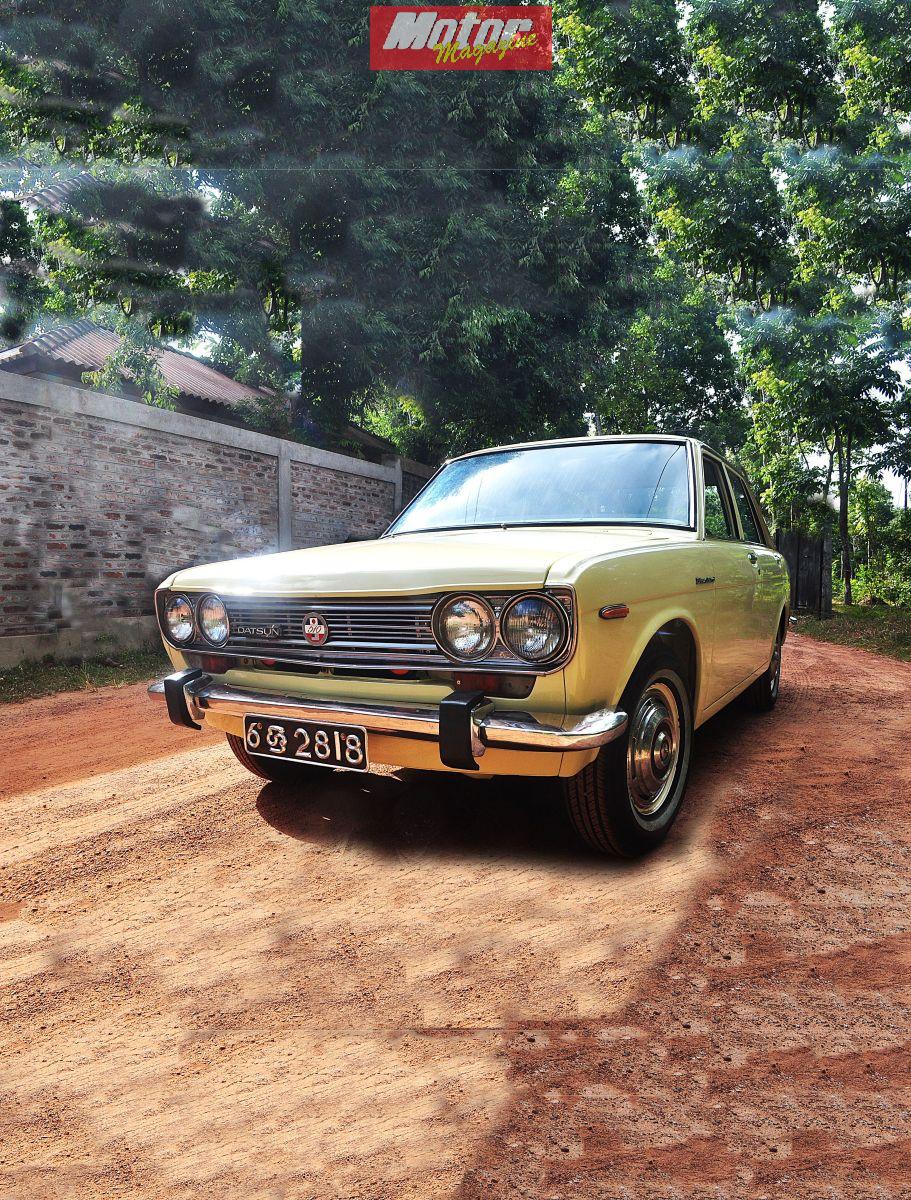
The rear-wheel drive 510's engineering was inspired by contemporary European sedans, particularly the 1966 BMW 1600-2 – incorporating an overhead camshaft engine and four-wheel independent suspension by means of MacPherson struts in front, and semi-trailing arms on the rear wheels. The styling is attributed to Datsun in-house designer, Teruo Uchino.
Nissan
USA president Yutaka Katayama pushed for offering this generation of the
Bluebird with a larger overhead cam engine with more power than the preceding models.
The design originated with Prince Motor Company, which merged with Nissan in
1966. The Bluebird series had been Datsun's smaller offering, but the 1966
introduction of the 1-litre Sunny allowed Nissan to move the Bluebird up into
the mid-size category.
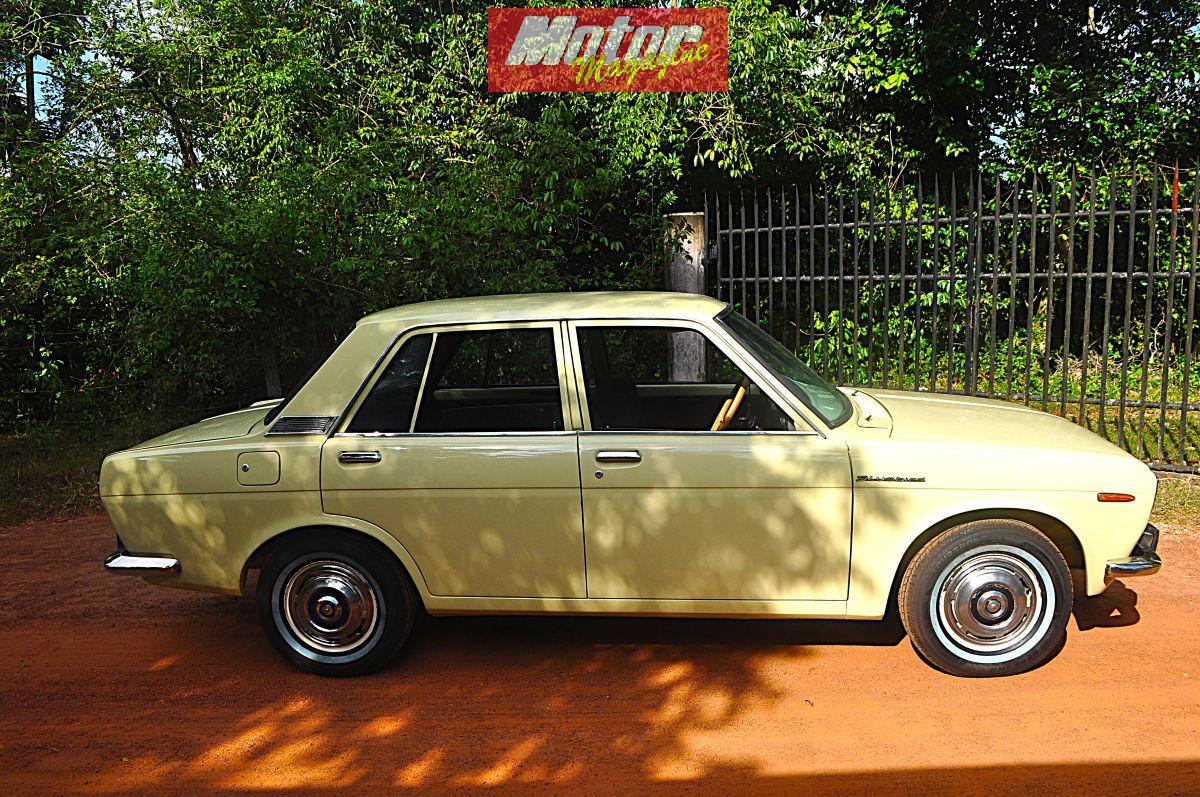
The 510-series Bluebird was released in the domestic Japanese market on August 15, 1967. In the United States, the Datsun 510 was launched in October 1967 as a four-door sedan, followed by a two-door sedan (June 1968), five-door station wagon, and two-door coupé (November 1968). In Canada it was sold as the Datsun 1600.
The
range became famous for Nissan's rallying successes outside Japan and paved the
way for greater Nissan sales internationally.

The series was available with either a four-speed manual transmission or optional three-speed automatic. 510s, in some markets, offered twin Hitachi side-draft carburetors, which were a smaller version of the British SU design used on Jaguars and MGs. These engines also used enhanced compression and camshaft profiles to produce more power. SSS models offered upgraded instrumentation and interior trim, as well as appropriate exterior badges.
Popularity
Affordable
performance combined with simple mechanicals helped the Datsun 510 remain a
popular automotive enthusiast's car for many years after its discontinuation.
Avid collectors can be found around the world with significant numbers in the
U.S., Australia, and New Zealand.
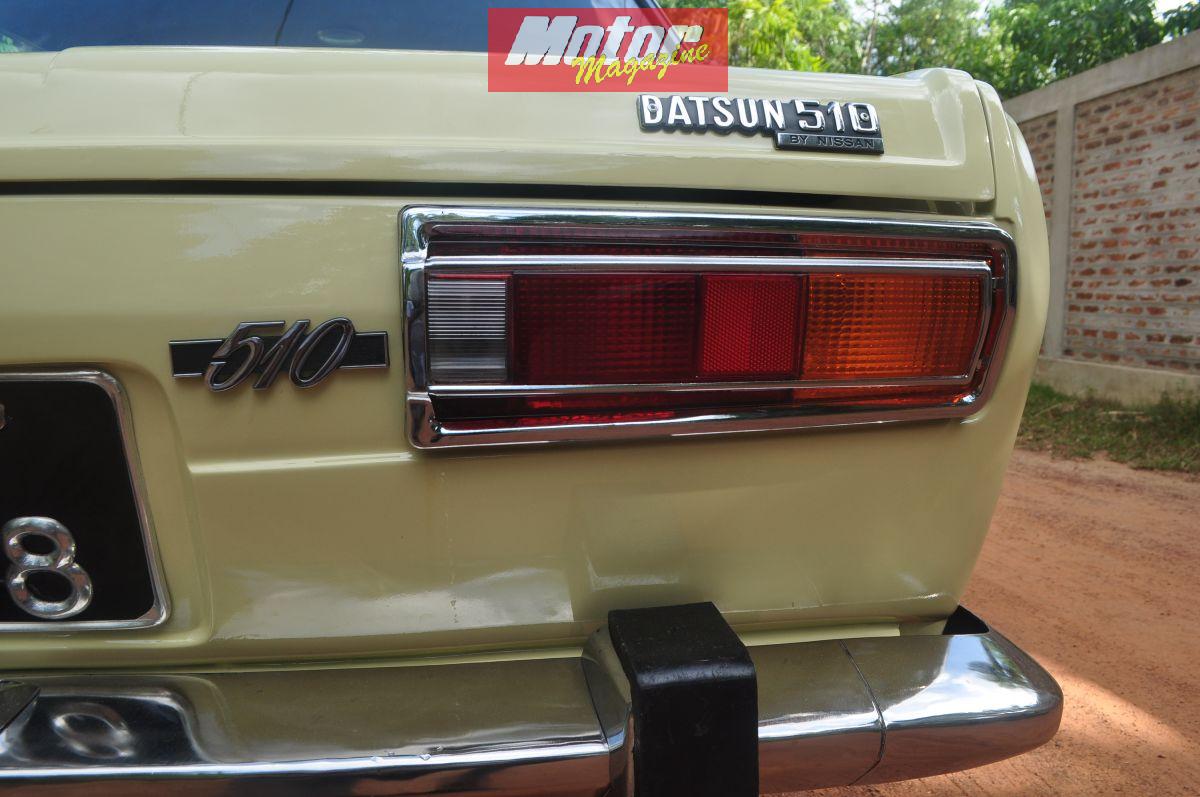
One advantage of the early Datsun cars is that many of the parts were interchangeable – engines, transmissions, and suspension setups, for example, were all similar enough to swap with minor modifications. This allowed the Datsun 510 to be easily upgraded from the 1.6l – L16 engine, to the 1.8l – L18 engine, and later to the 2.0L L20B engine, and to go from the four-speed manual transmission to the 63 mm (shaft-center distance) five-speed transmissions.
Like
any plebeian transport turned cult classic, the Datsun 510 came in a variety of
body styles for the masses. Upon its August 1967 introduction in Japan, where
it was named the Bluebird, Nissan offered a trio of shapes: the standard-issue
4-door sedan, a family-oriented station wagon, and the sportsman’s alternative,
a 2-door sedan.
Outside of its home country, many still erroneously call the 2-door sedan the coupe. On the other hand, because the Bluebird Coupe was sold only in Japan (though knock-down kits were exported to South Africa), it has become something of a holy grail for the legions of 510 enthusiasts outside the motherland.
The
510’s natural road racing setup of all independent susupension, at a time when
many far more expensive cars still relied on live axles, is what turned guys
like Peter Brock and Bob Sharp to the 510 to build their motorsports empires.
Their victories against the dominant cars of the day (Alfas, BMWs, Triumphs)
proved that Datsuns, and Japanese cars in general, were a force to be reckoned
with. Even as late as 1989, guys like NorCal race car builder Troy Ermish was
still racing successfully in 510s against contemporary competition. Today, they
are just as formidable in the vintage racing circuit.
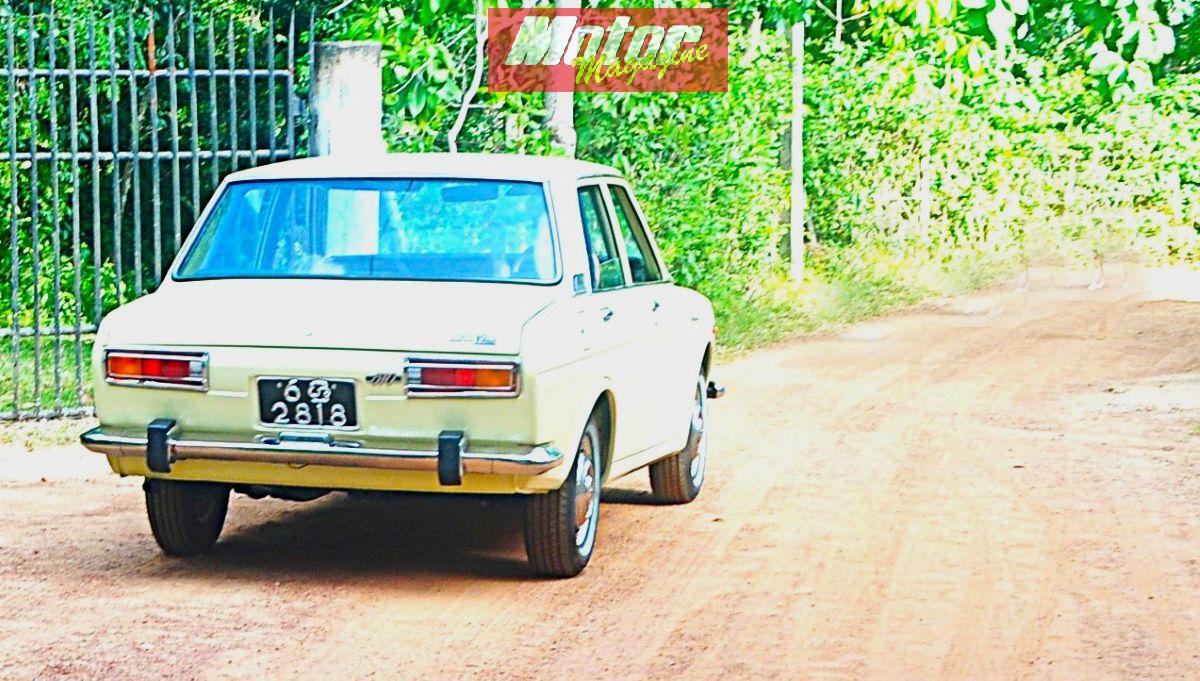
There are very few surviving 510’s in Sri Lanka; although in the late 1960’s and early 1970’s it was rather common to see them on our roads. What’s more, there were even some 510 Taxis running in Colombo painted black with the yellow roof and the mechanical Taxi meter fitted.
The
featured car is owned by a local collector of classic and vintage cars who
prefers to remain anonymous. He found this car in a very sorry state, and after
undergoing many months of restoration and sourcing all necessary bits and
pieces from overseas - as you can see in the photos - the car is now looking
really good. It awaits some small finishing touches before the restoration is
officially “complete”.