


The Simca Vedette is an executive car, manufactured from 1954 to 1961 by French automaker Simca, at their factory in Poissy, France. The Vedette competed in France's large car market at a time when the economy was finally returning to growth and enjoyed moderate success - with its American style finished off by the Italian designer Rapi. It was marketed with different model names according to trim and equipment levels. The Vedette was Simca's largest model at that time, and it went on to spawn a more economical version, the Simca Ariane.
Simca acquired the Poissy factory from Ford France (Ford Société Anonyme Française, the French subsidiary of the Ford Motor Company), along with the model line, in 1954. The Vedette was therefore initially still marketed as the Ford Vedette. The Vedette was manufactured in Poissy until 1961 and the Ariane until 1963. After that, production continued in Brazil until 1966, when the Vedette finally evolved into the Simca Esplanada following Simca's takeover by Chrysler.
Origins and launch
In
the early 1950s, Henri Théodore Pigozzi was looking to expand the manufacturing
operations of his Simca company, which was enjoying much success at the time,
thanks to the popular Aronde. At the same time, Ford was seeking to divest
itself of its French subsidiary, Ford SAF, which had a factory in Poissy, close
to Paris, where it had been manufacturing a large car called the Ford Vedette.
The Poissy plant was large and there was capacity for further expansion. The
Vedette was a larger car than anything that Simca had on offer at that time.
These points attracted Pigozzi, who decided to take over the entire factory,
along with the rights to the cars manufactured there.
The cars appeared at the Paris Motor Show in October 1954 on the Ford France stand, but there was no mention of the Ford name on the covers of the brochures offered to potential customers. The name "Ford" appeared just once, in very small print, on the final page, presumably in order to avoid confusing customers who would be expected to call the cars "Simcas" from 1 December 1954, the date set for the formal hand-over of the business. In export markets the name change was less immediate, and even in adjacent Belgium, in January 1955 at the Brussels Motor Show the cars were still appearing on the stand of the Belgian Ford importer, sharing the space with models imported from Ford of Britain.
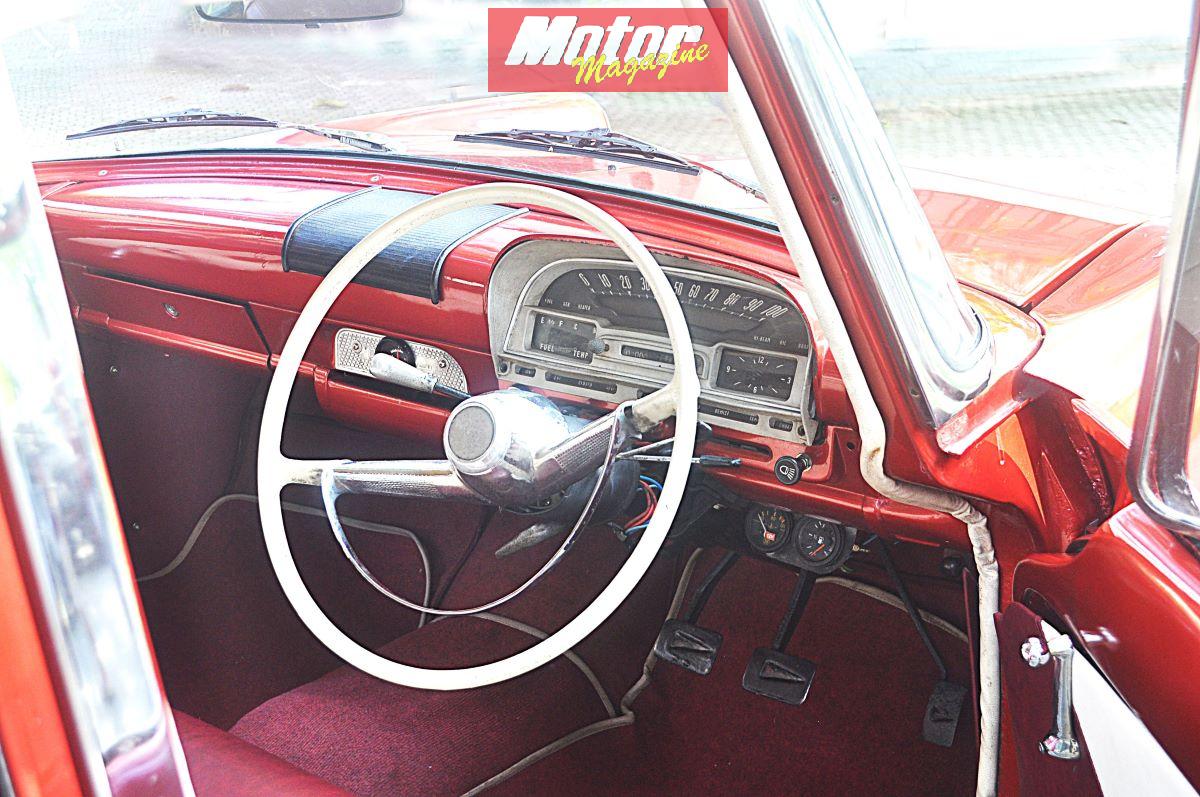
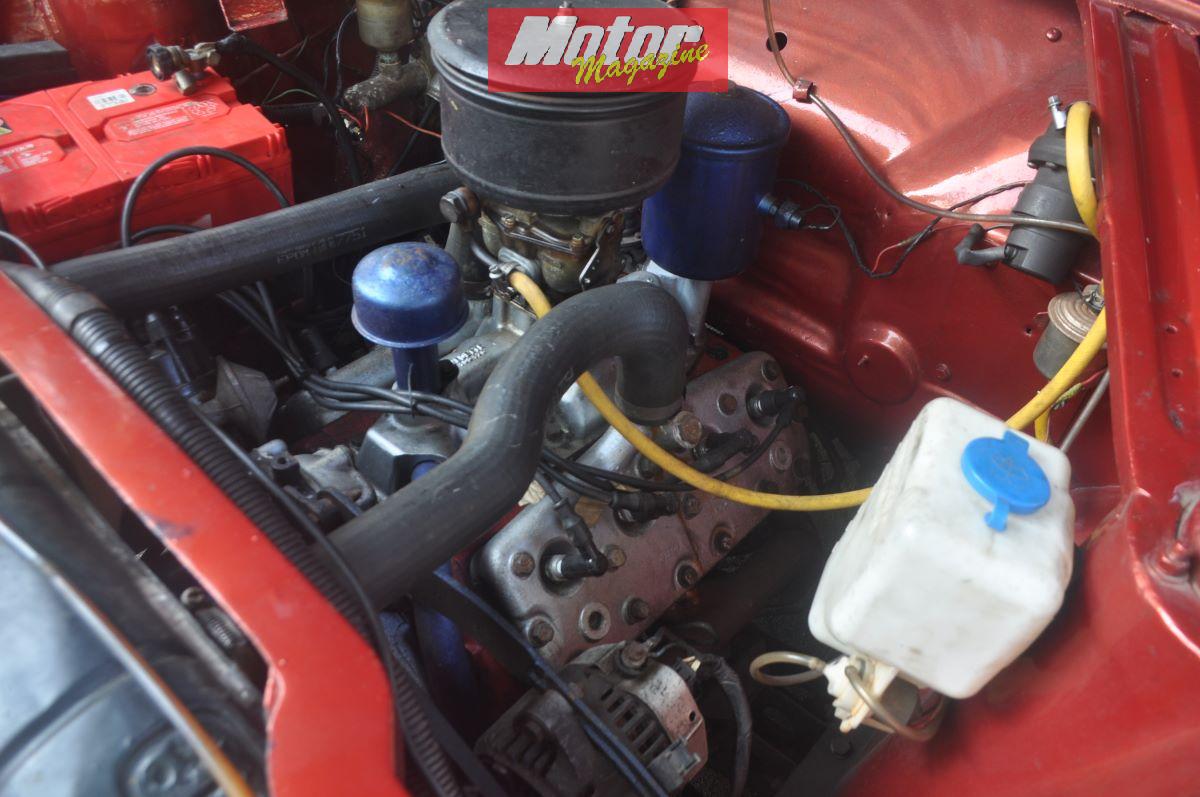
Equipped with a two-barrel Zenith-Stromberg 32NX carburetor, it produced 75 hp (55 kW) for the first generation. Power was transferred to the rear live axle through a three-speed manual transmission with column shift. The Vedette had independent front suspension (by MacPherson struts) and drum brakes on all four wheels.
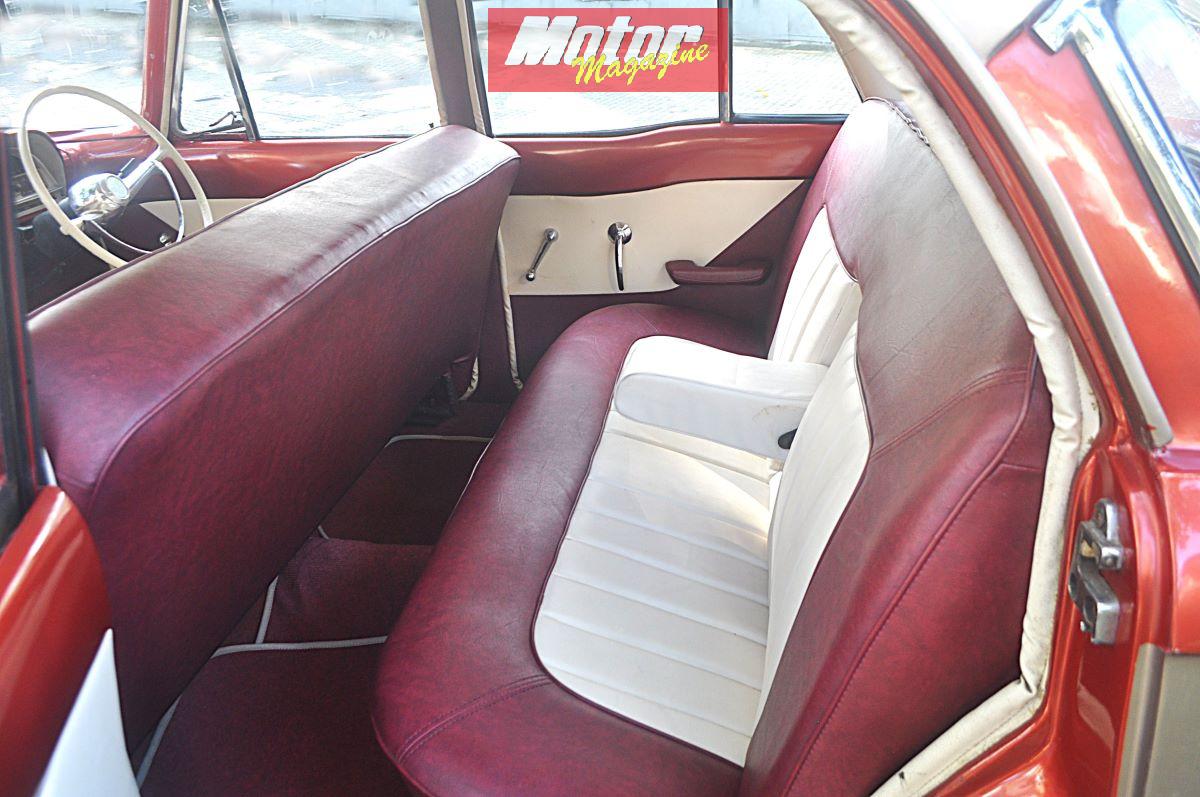
As with the Aronde, Simca marketed different trim levels of the Vedette under different model names, this time with references to the grand period of baroque in French history. The basic version was called the Simca Vedette Trianon, the mid-level was the Simca Vedette Versailles and, at the top of the range, the Simca Vedette Régence. An option on all versions was a large glass moon-roof that slid into the roof, called Vistadome. The Vedette range was still marketed under the Ford brand in some markets, including the Netherlands and Germany, until 1956. As the new model caught on, Simca was able to increase production from the 150 daily achieved during Ford's ownership of the factory to 250 cars a day.
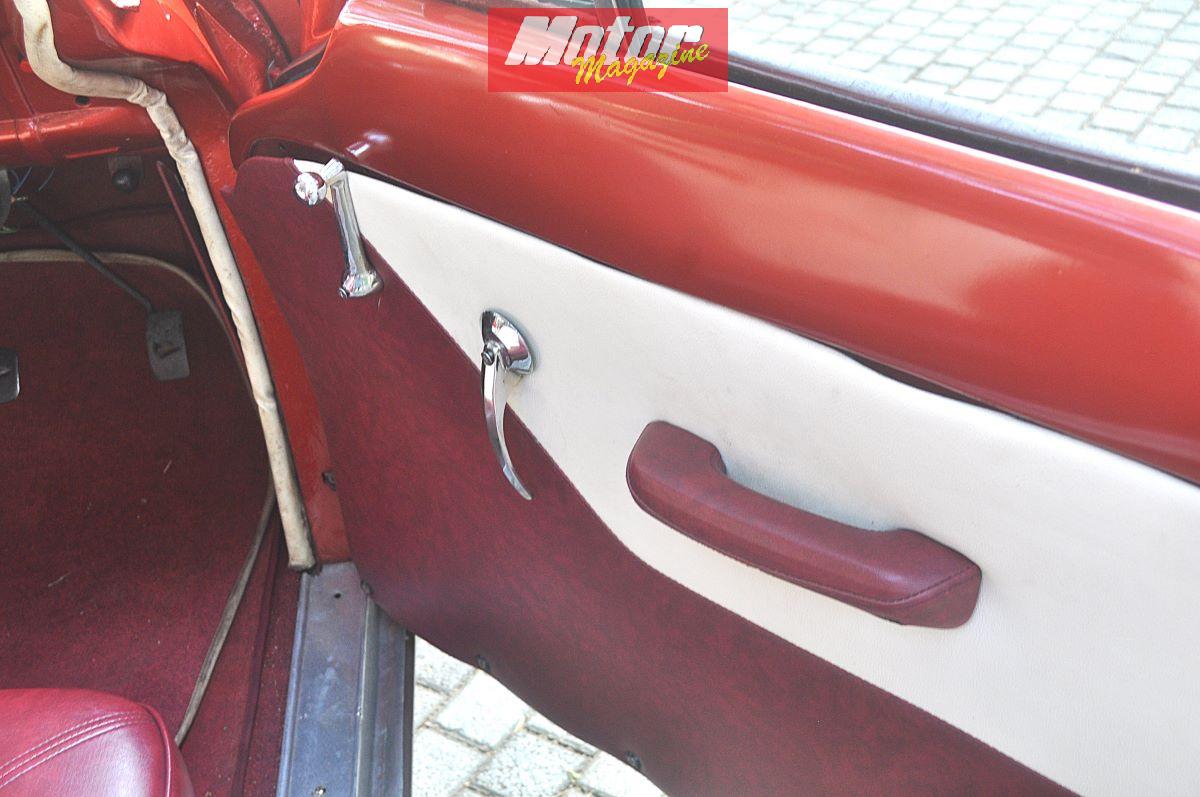
For
1956, an estate version called the Simca Vedette Marly joined the line-up and
the whole range was revised. A new license plate holder was added to the front
bumper and the rear license plate now concealed the fuel tank filler. A
peculiar addition was a pedal-operated windscreen washer, while other more
ordinary changes included a second odometer, also known as a 'trip meter', for
measuring partial distances. The Versailles and Régence were made even more
comfortable with the addition of central armrests (Versailles in the rear only,
Régence in front and rear), while the Trianon was simplified, losing bumper
guards and chrome windscreen decor.
In 1957, an option of the Gravina automatic clutch was added, along with better brakes and more direct steering. The Trianon regained the chrome decor around the windscreen, while the other models acquired slimmer tail lights and the front ornament was replaced with a new design. Fender-mounted V8 badges were introduced but, although the whole range featured the same V8 engine, the new badges appeared on the fenders of only the Régence and Marly.
1959
brought a new option, the Rush-Matic automatic transmission, which featured two
modes: Rush (fully automatic) and Road (manual gear selection). The same year,
assembly of the Vedette started at Simca do Brasil. Also during 1959, a new
top-of-the-line model joined the Vedette range, the Présidence, featuring a
luxurious interior, a radiotelephone (a European first) and a continental kit.
French
production of the V8-engined cars ended in the summer of 1961, by which time
173,288 had been produced, although a Simca Chambord was exhibited at the Paris
Motor Show in October of that year, suggesting that Simca still had some stock
of the cars to clear. The small-engined 4-cylinder Ariane, of which 166,363
were produced, survived until 1963.
The
model was continued for longer in Brazil, where it was the first V8-engined car
to be built. The Vedette was also assembled in Australia by Chrysler from
1958-1962, with its roots as a Ford design and later badged as Simca.
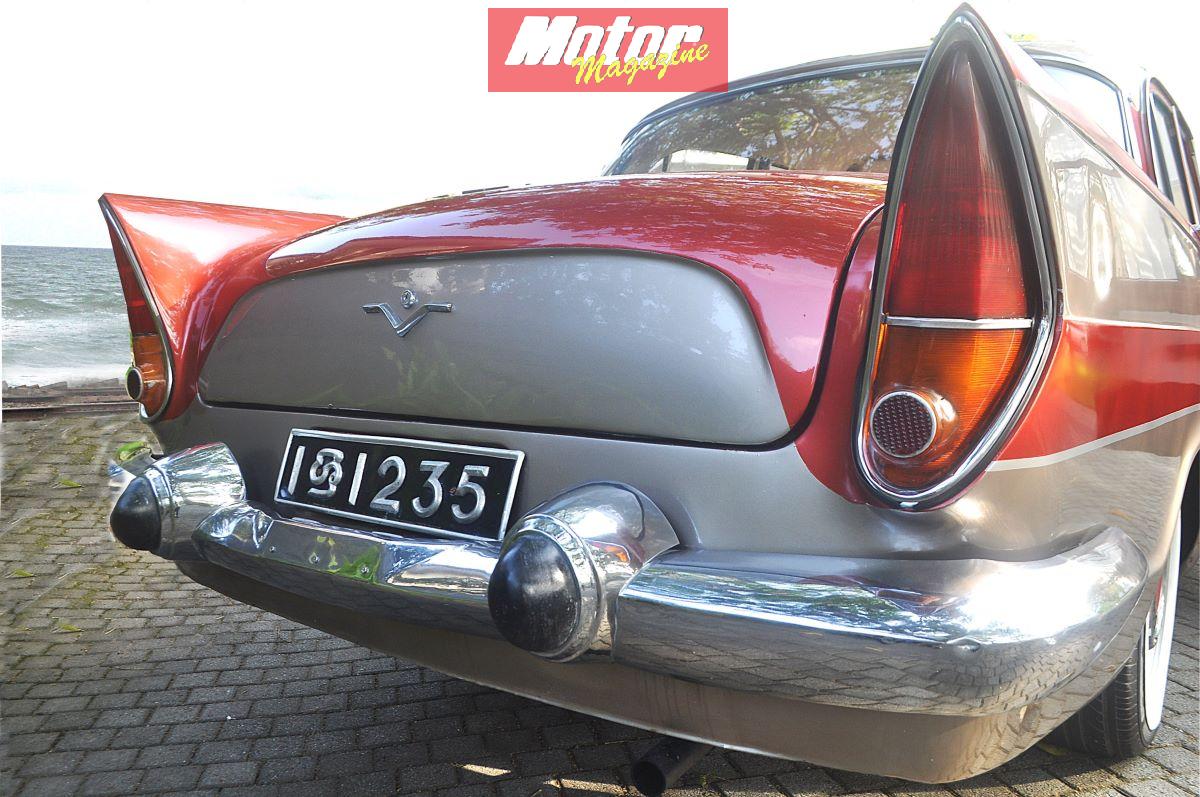
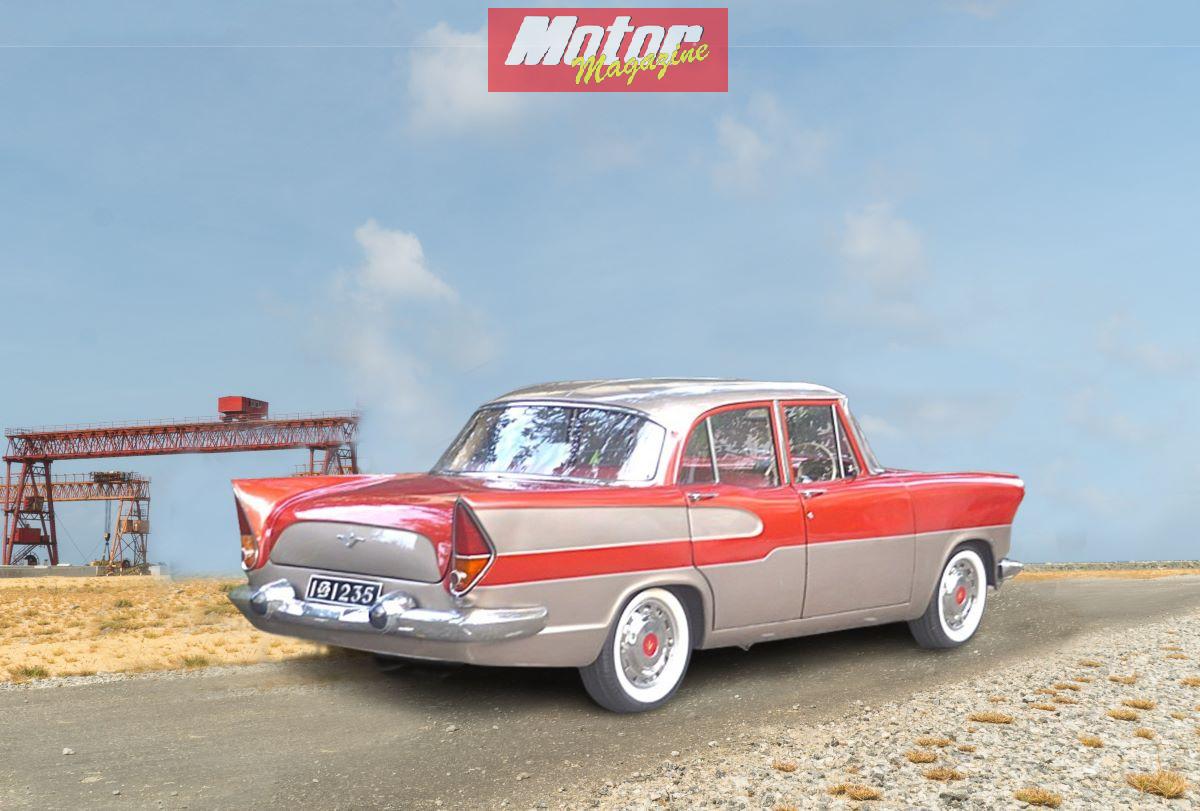
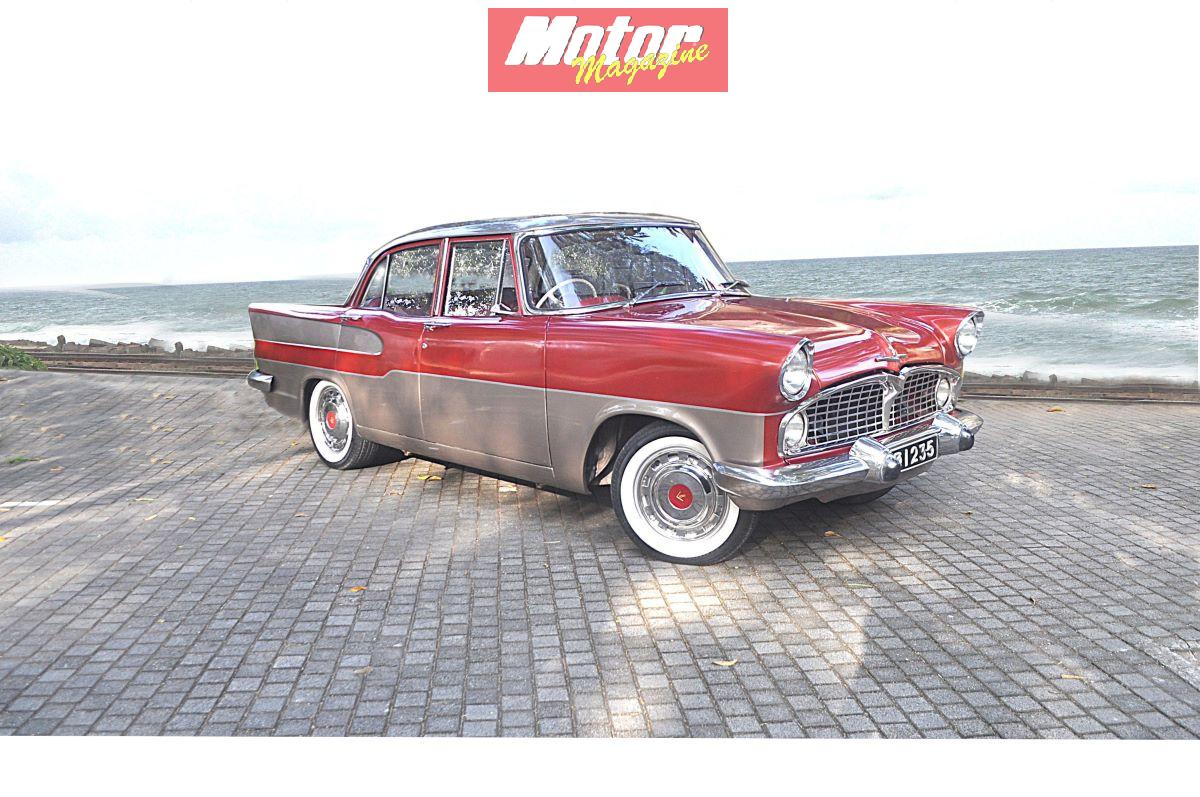
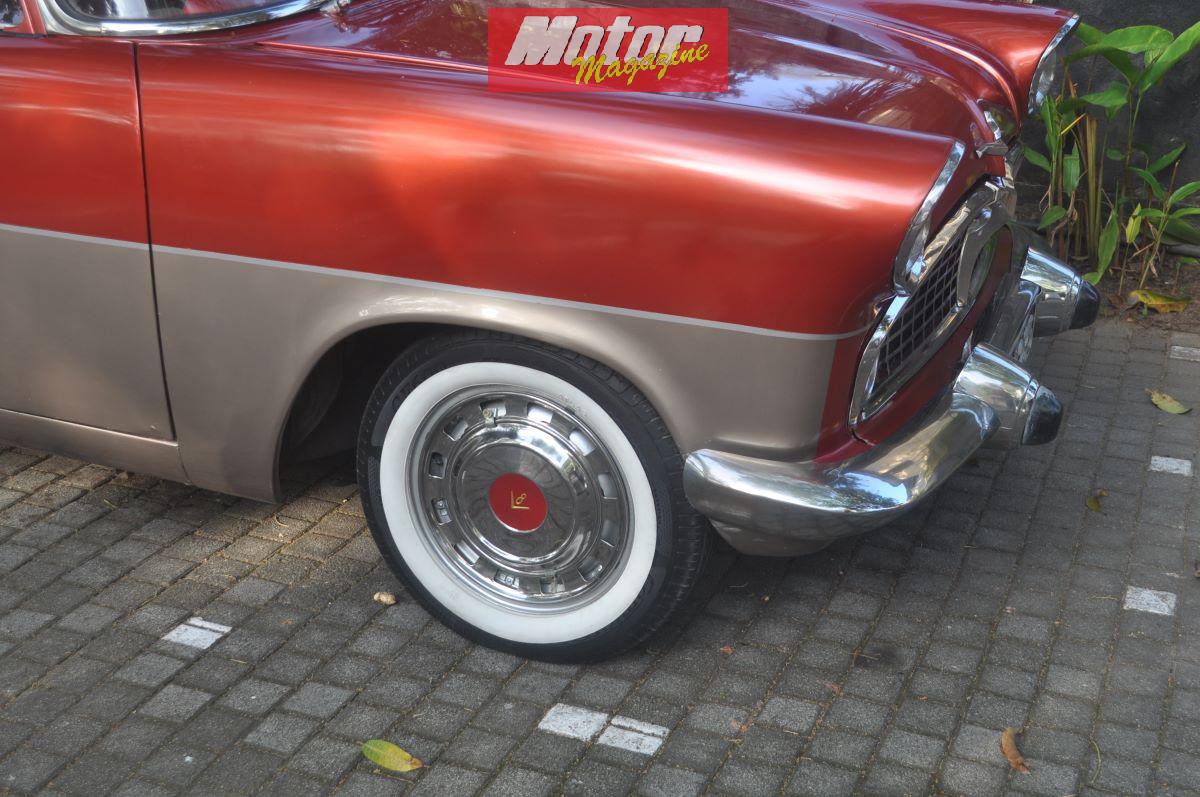
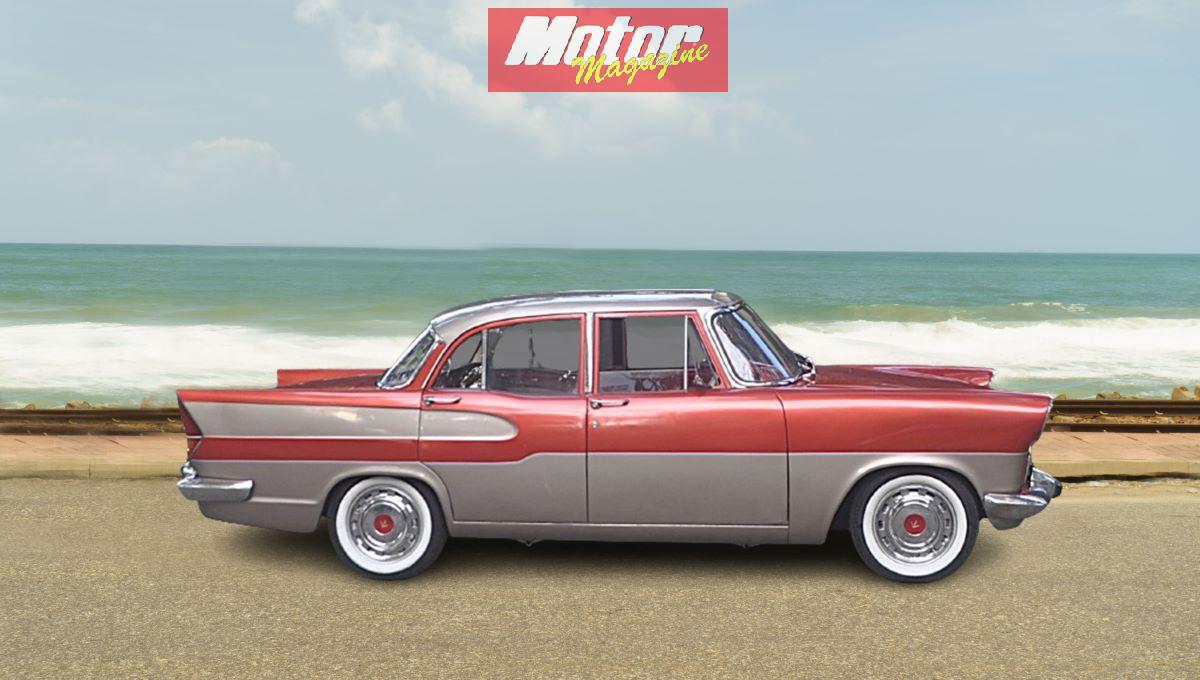
The
car featured here is a 1957 model Simca Vedette. One of less than a handful of
survivors in Sri Lanka; the current owner Pradeep Moraes acquired it as a
running car some four years ago. At the time the car required some minor work
such as missing trim bits including a set of hub-caps. Under Pradeep’s care,
the car also got a new paint job, albeit in the same original colour scheme of
maroon and gold. The car retains its original flat-head V8 whereas some other
local Vedettes have lost their V8’s to diesel power! Pradeep being a true car
enthusiast, goes to great lengths to keep the Vedette in mostly original
condition.