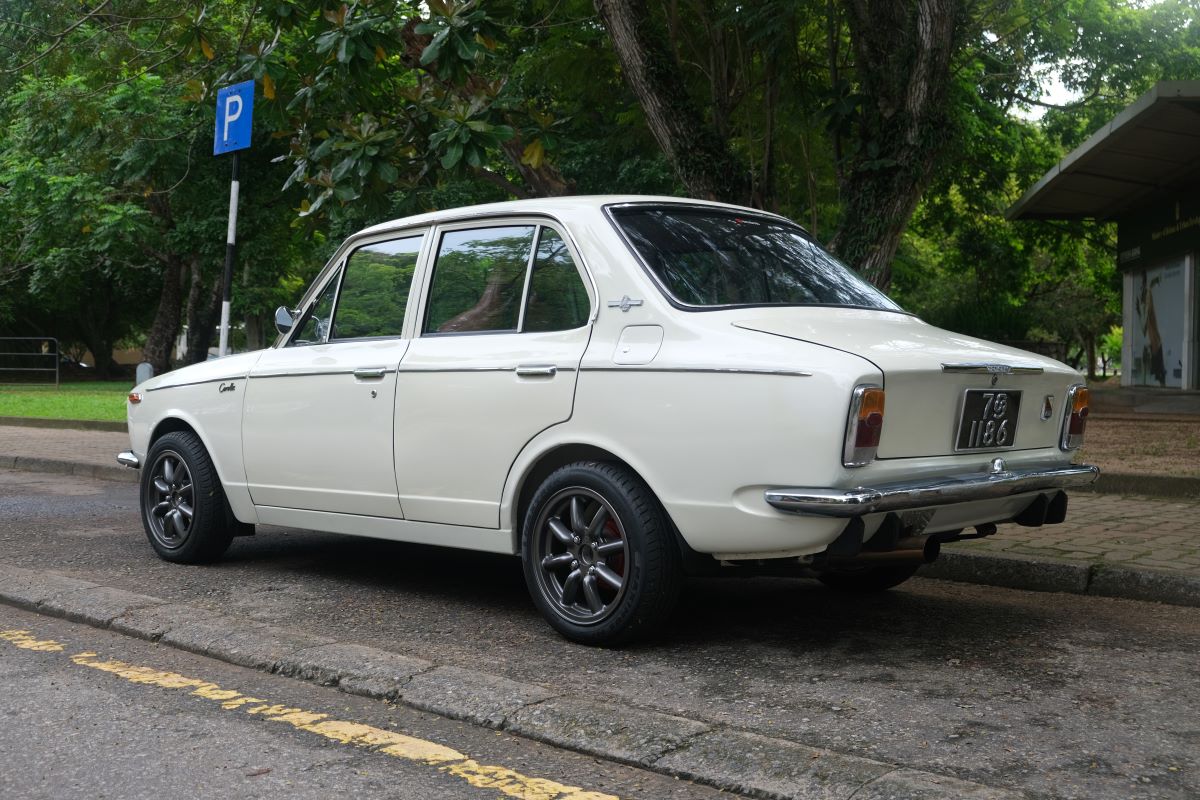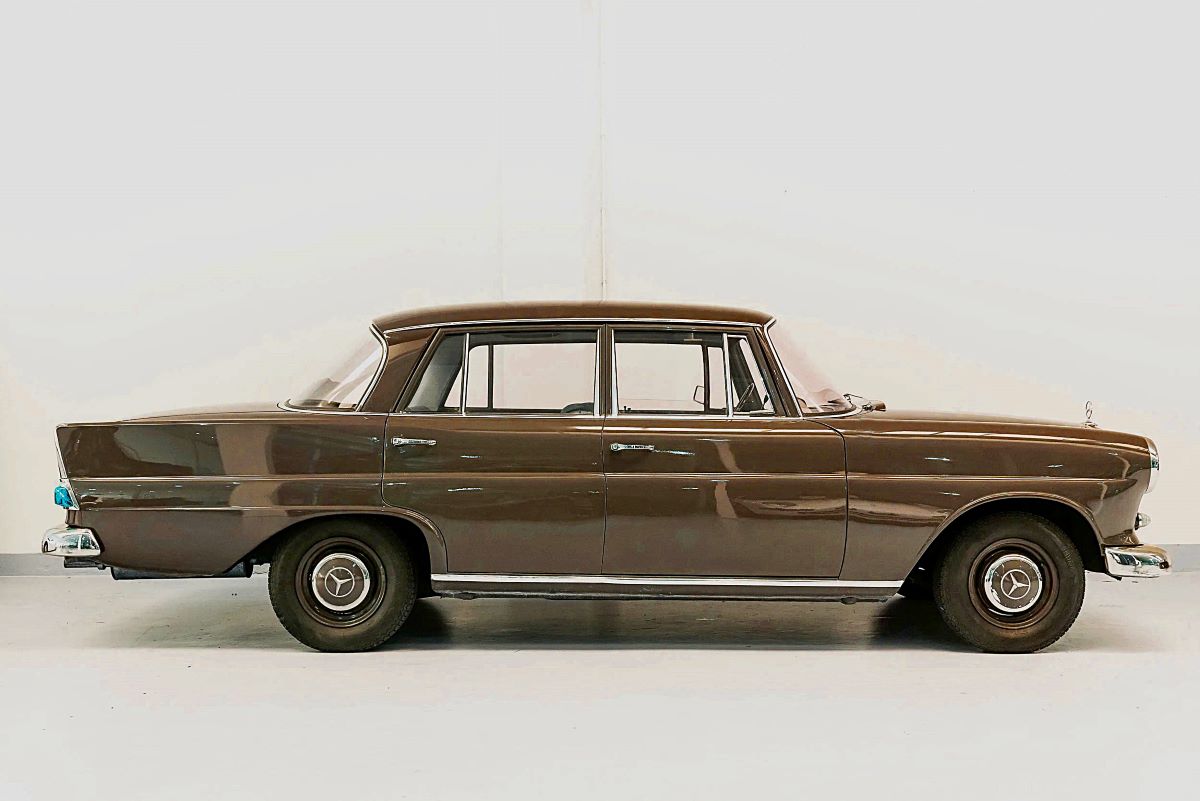



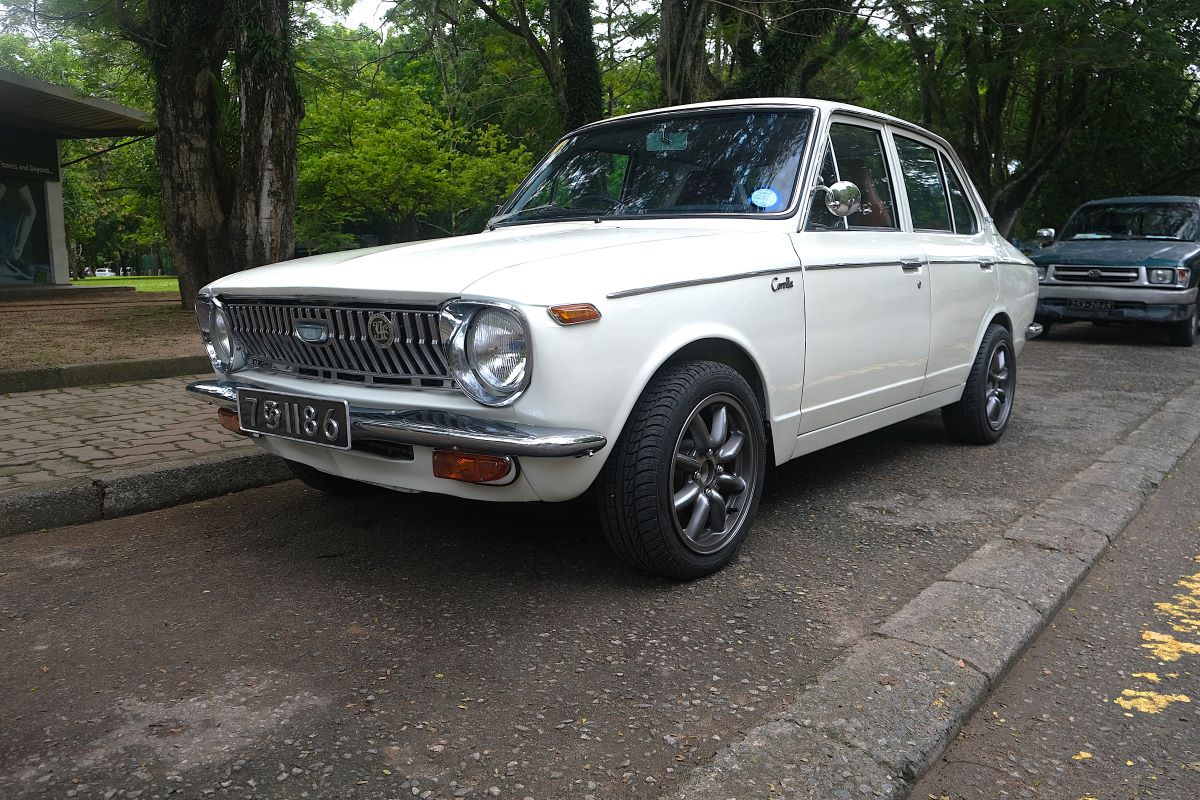
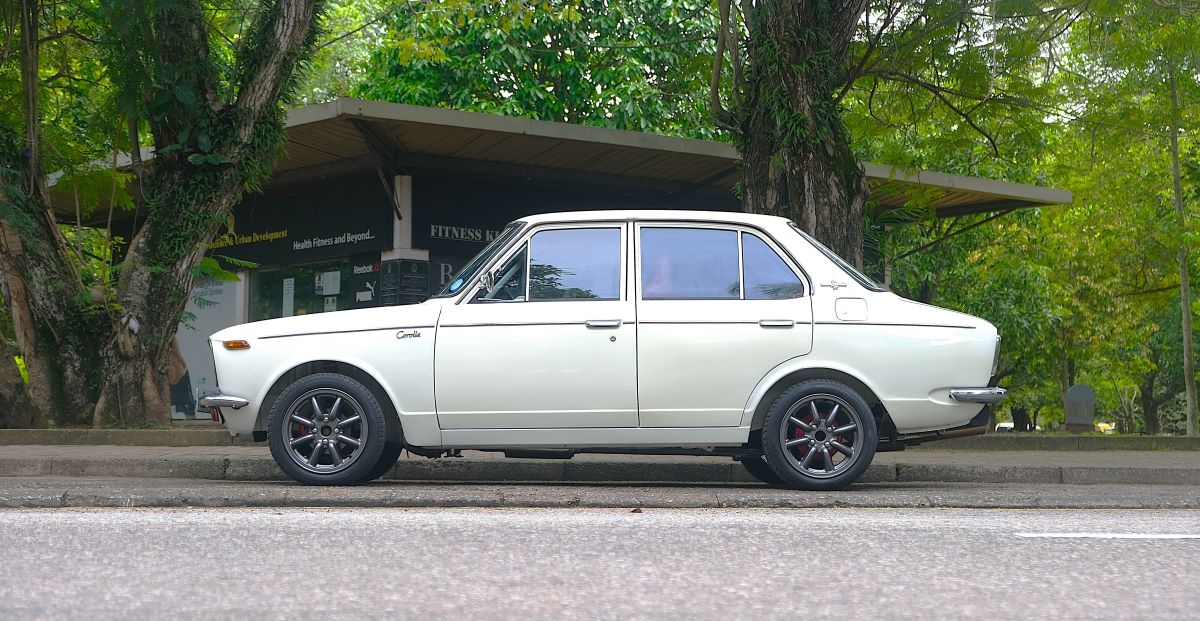
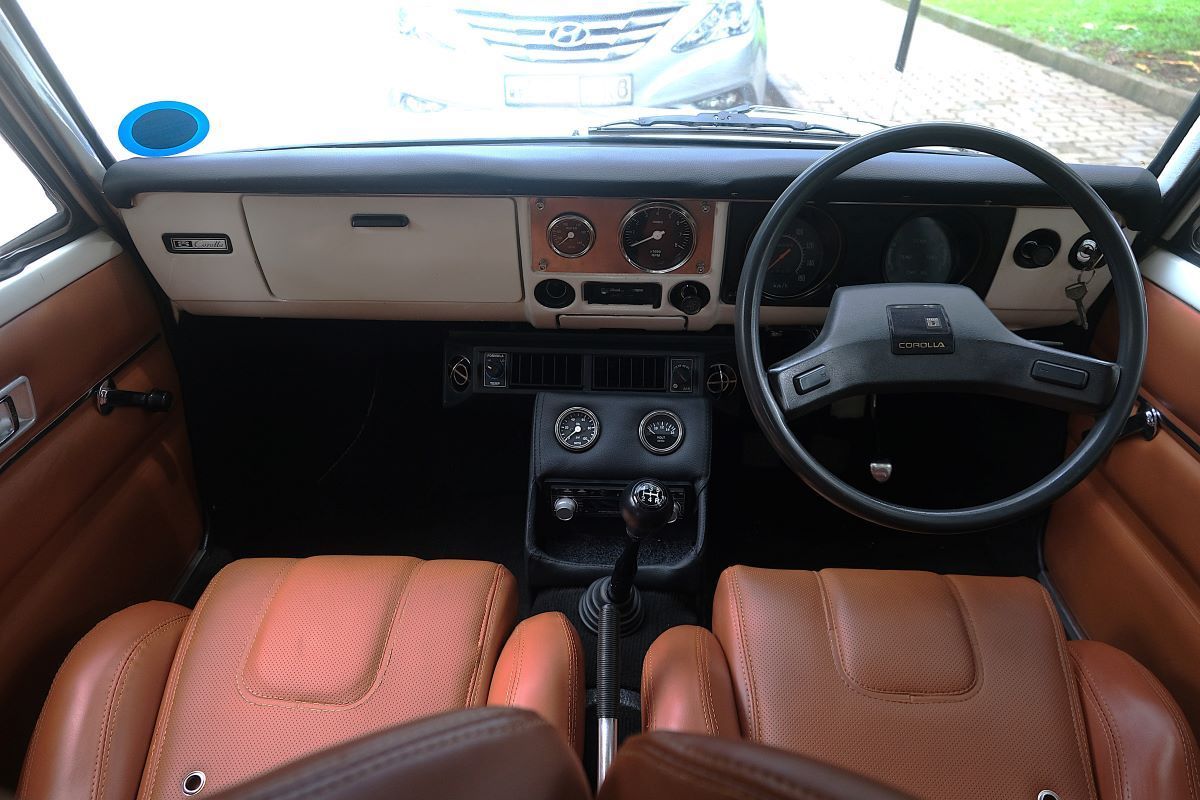
If you look at Sri Lankan roads today what do you see? An ocean of SUVs and Double Cabs usually carrying one to two people along sealed tar roads. If you wind the clock back 60 years to 1965, the roads were quite peaceful, even at rush hour. Some may blame this on Tuk Tuks but the truth is the ballooning in size of the average passenger vehicle is as much to blame. There is no better example for comparison than this beautiful Toyota Corolla of 1969, the first of it’s kind.
Tatsuo Hasegawa was a World War Two aircraft designer. When he started development on the Corolla project in 1962, he had no idea that he was writing Genesis, the first chapter in the book of the best selling car in of all time. A book that would become a bible in car manufacturing and design. Even in a world filled with SUVs and 4x4s, the lineage that began with this little rear wheel drive sedan has not yet been beaten.
The Corolla was launched in Japan in November 1966 at a Japanese dealership sales channel called Toyota Corolla Store. Eiji Toyoda said it took hard work to create popular demand, and disputed that Toyota rode a wave of private car ownership that was taking off in the mid-1960s. The Corolla's major competitor was the Datsun 1000, released a few months earlier, along with the Subaru 1000 earlier in May. Its companion, the Toyota Sprinter, was sold at a different dealership sales channel called Toyota Auto Store. The Corolla's development was largely influenced by the success and lessons learned from an earlier, smaller vehicle - the Toyota Publica - which used an air-cooled two-cylinder, boxer engine, inspired by the Citroën 2CV. In fact the dealership that was named after the Corolla in Japan was previously known as the Toyota Public Store, to sell the Publica.
The first Corolla, the KE10 used a 2,285 mm (90.0 in) wheelbase. The transmission was by a four-speed floor shift manual transmission or a two-speed floor or column shift automatic transmission, with rear wheel drive. The suspension in front was MacPherson struts supported by a transverse leaf spring beneath the engine cross-member, with leaf springs connected to a solid axle in back.
The engine was originally meant to be for the under 1000 cc tax class but was changed late in the design process to be 1077 cc in order to beat the Datsun 1000. In Japan, this put it into a 1000cc engine road tax class but gave it some prestige over the Datsun 1000 - helped by its "100 cc advantage" advertising campaign. In May 1967, a four-door sedan (KE10F) and a three-door light van (KE16V, essentially a station wagon but classified as a light commercial vehicle in Japan) joined the lineup, as did the "Toyoglide" two-speed automatic.
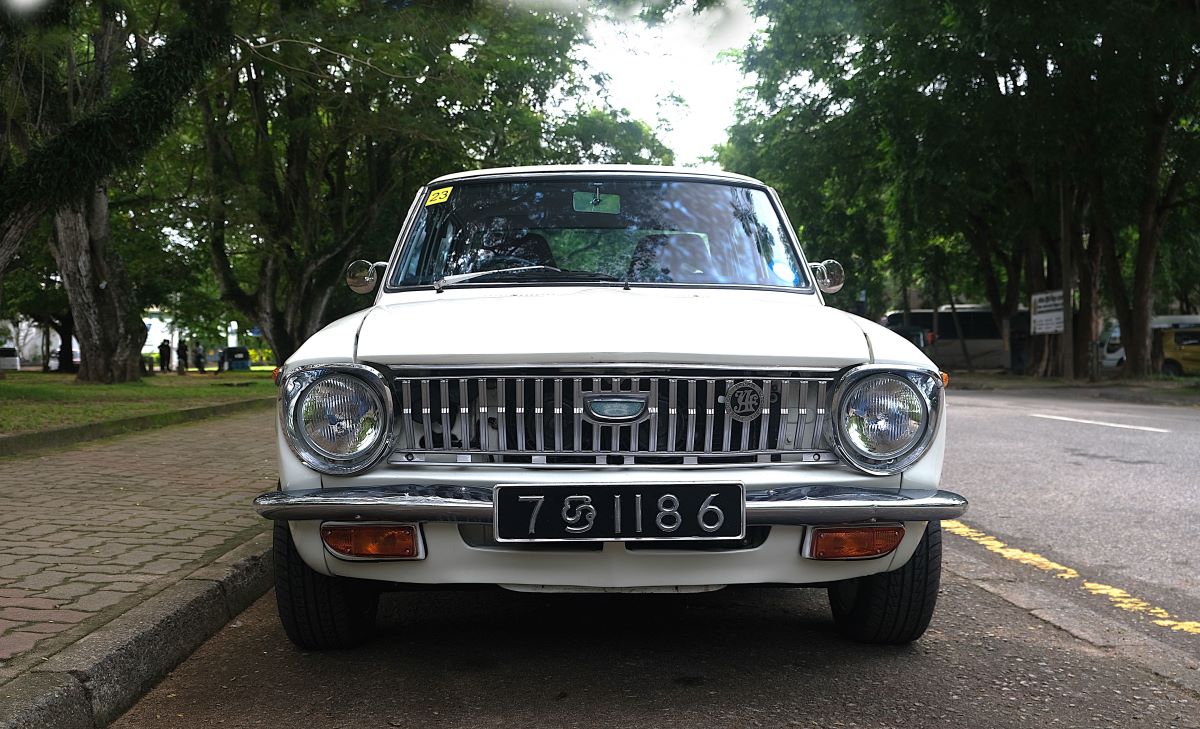
Corollas first made it’s way to Ceylon in meaningful numbers through Freudenberg & Company (Ceylon) Ltd. The current owner of 7 Sri 1186 fondly remembers KE10s entering our roads when he was around 12 years of age. This beautiful example came into his ownership recently. Its gorgeous condition and day to day usability alongside his childhood memories made it something he simply could not resist. Many now famous private car importers and car sales started their business importing KE10s. It revolutionised Ceylon’s automotive landscape for consumers as well as businesses. In a way, private car import industry of Sri Lanka began with this generation of Japanese cars.
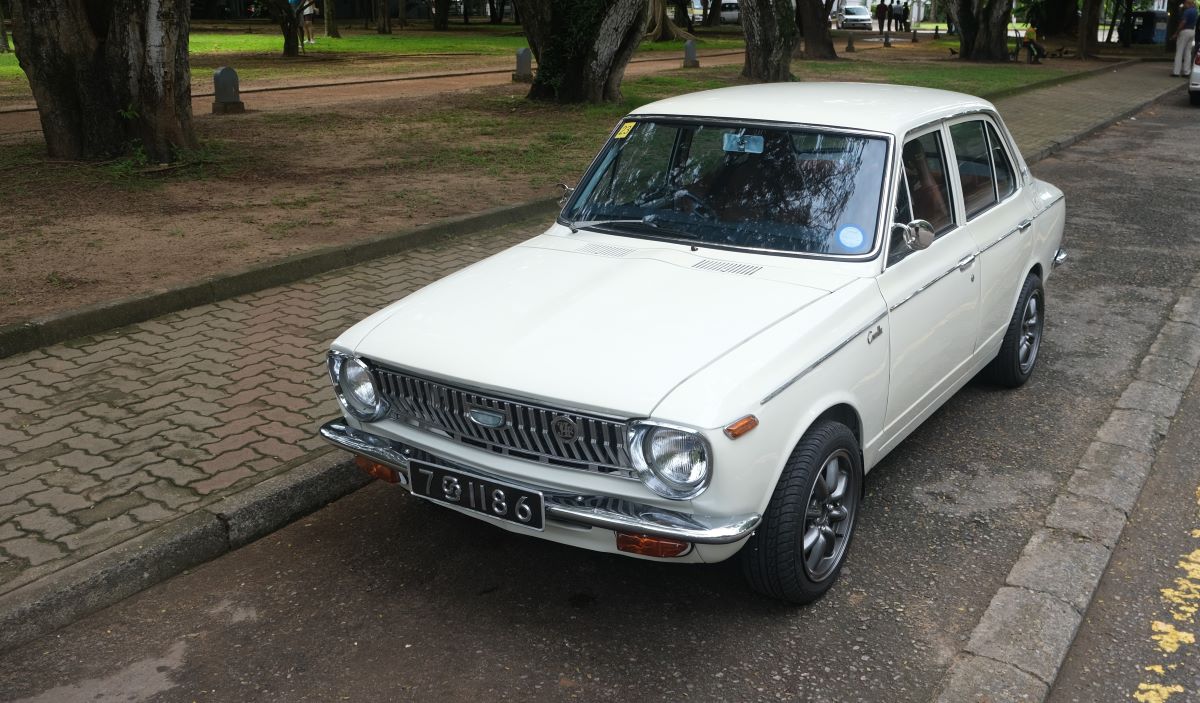
In 2026, zipping through school time Colombo traffic in
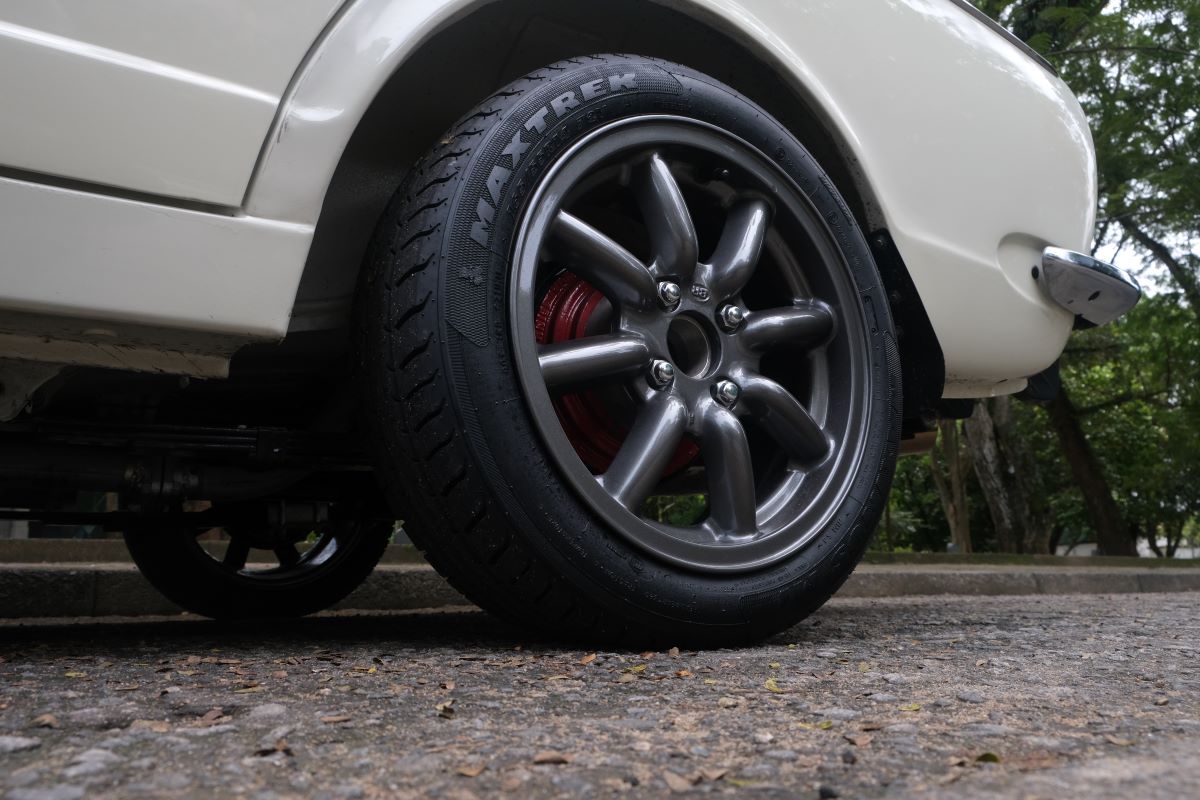
the KE10 is a breeze. This car has been fitted with some tasteful performance
enhancements to it’s suspension and powertrain that bring in sharp handling and
responsive accelaration. Combined with the car’s small size, this makes it
ideal for the tightly packed roads of today. Thanks to its intentionally thin
roof pillars, all round the visibility is excellent. This means that no hazard
posed by a bus, tuk tuk or 4x4 goes unnoticed by the driver.
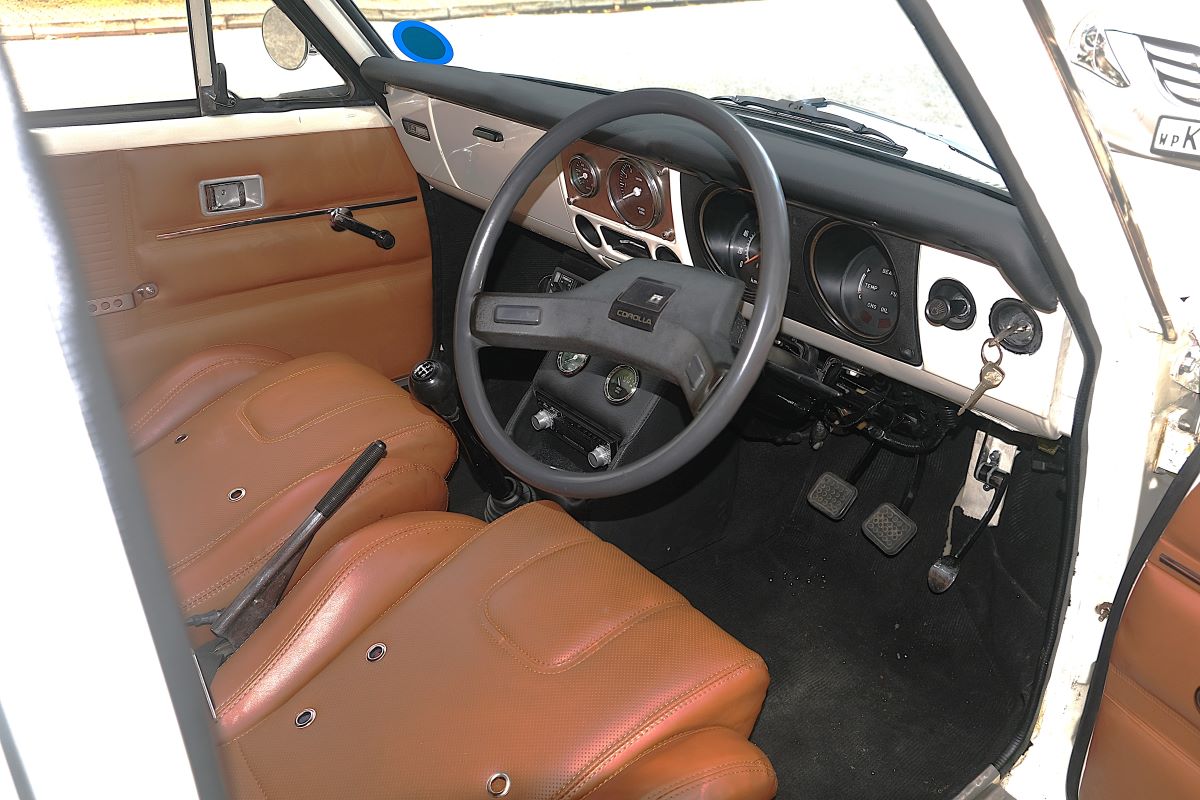
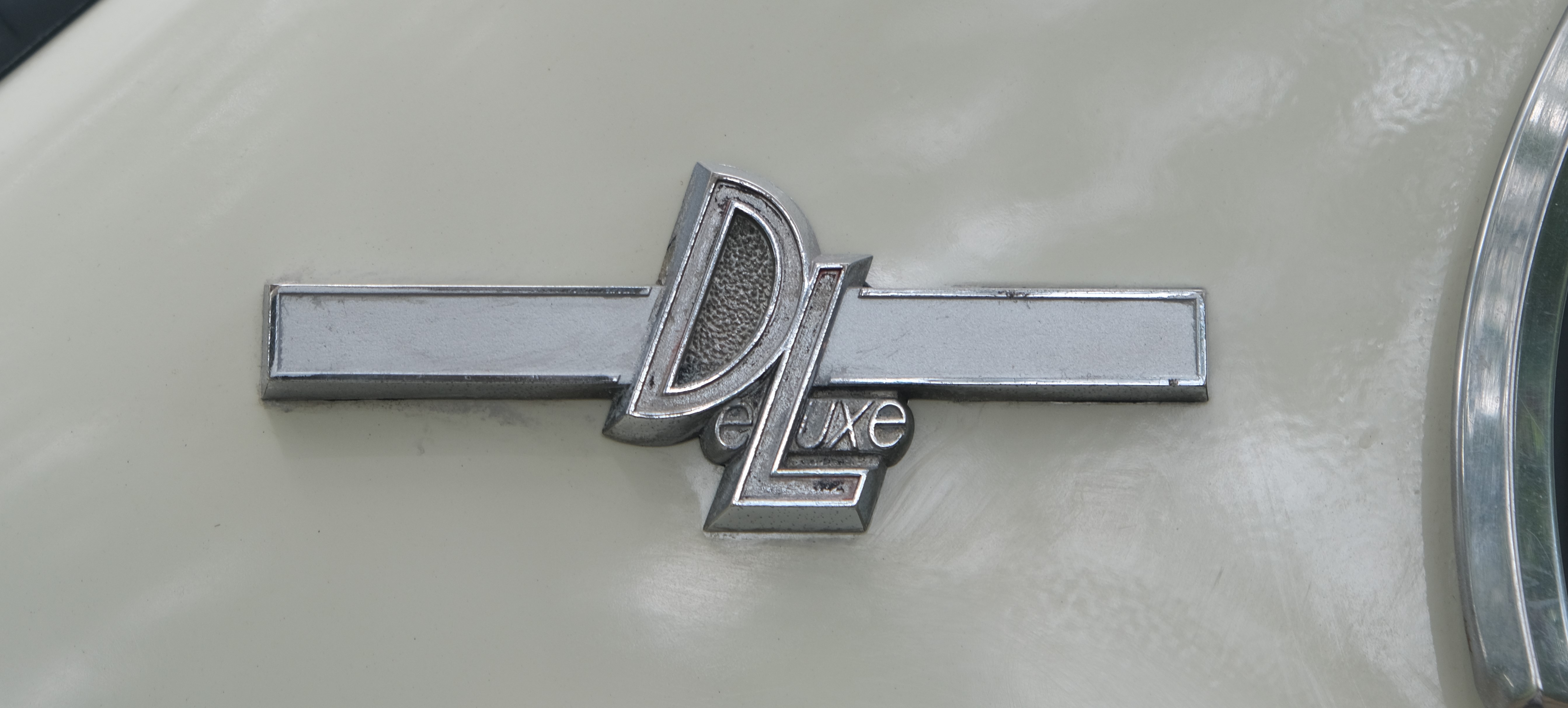
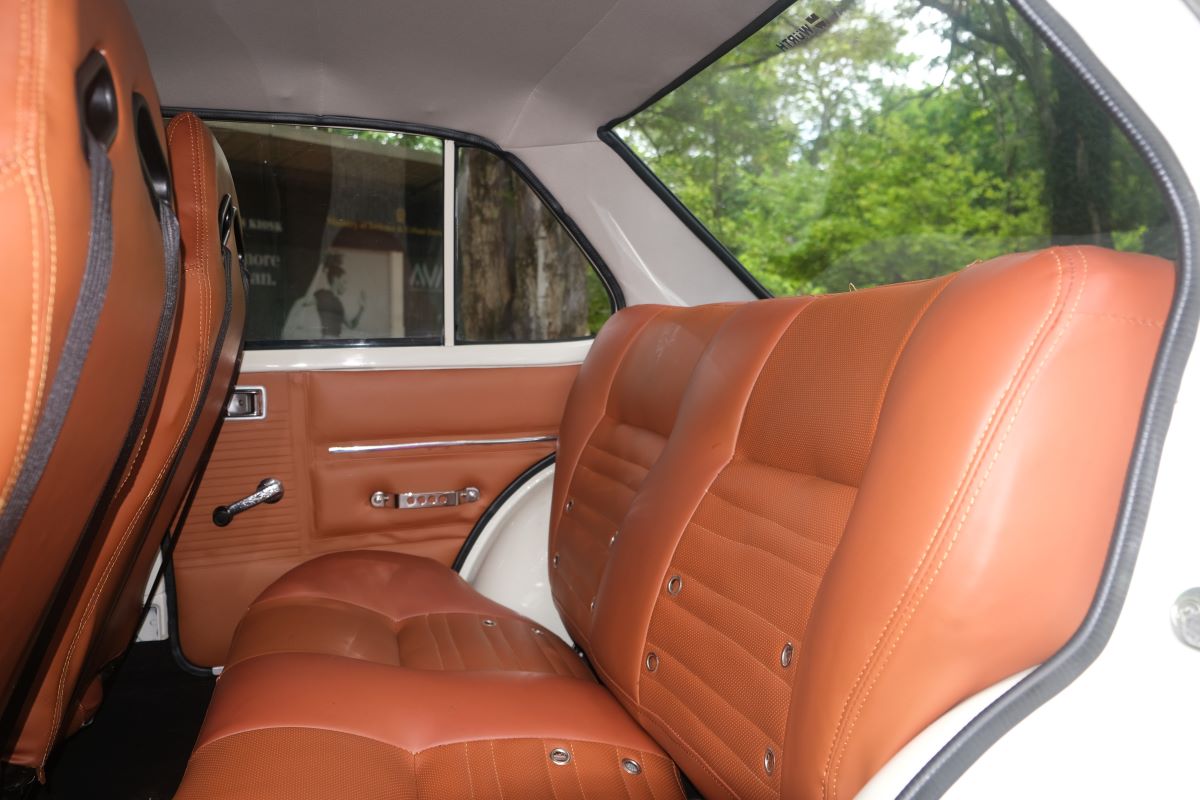
It intrigues me just how far the latest Toyota Corollas have strayed from it’s roots in almost every measurable way. The KE10 was the entry level model to the Toyota Lineup in 1965. Over time, the Corolla has grown in size and in price tag with it now being very much midfield offering at around the 20 million rupee mark (If not higher, it’s tough to tell as they are not imported in the same volumes they once were). As global production approaches 55 million units in a world where sedans are overlooked for SUVs, one must ask what the future holds for this legendary name?